Heavy Component Grinding Services
Specialized grinding for components up to 40,000 lbs that exceed conventional grinding shop capacity.
Heavy Component Grinding Overview
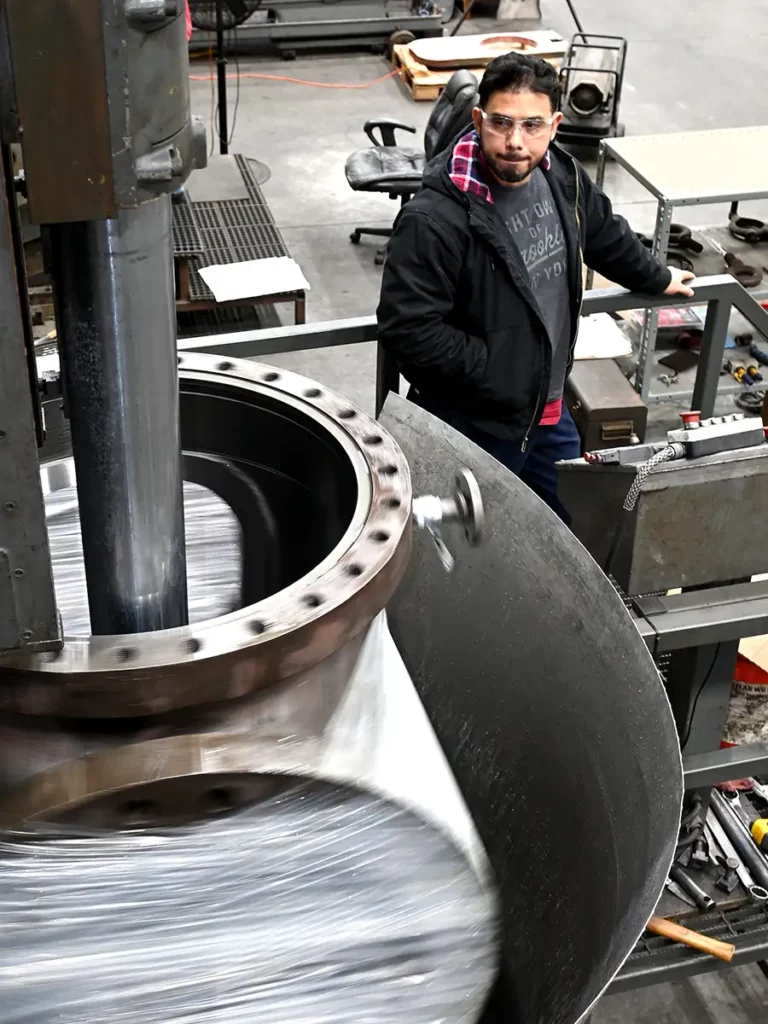
Many precision grinding shops are limited by the size and weight of components they can accommodate. United Precision Grinding has specifically invested in equipment and infrastructure designed to handle heavy, oversized industrial components that exceed the capacity of conventional grinding facilities. Our heavy component grinding capabilities include large-capacity vertical grinders, extended-bed surface grinders, and specialized material handling equipment. We can safely and efficiently handle components weighing up to 40,000 pounds, with envelope capacities that accommodate the largest industrial parts. Heavy components present unique challenges beyond just their physical size. Thermal management becomes critical with large masses of material, workholding must be robust enough to resist grinding forces, and measurement must account for the component’s weight and deflection characteristics. Our team has extensive experience addressing these challenges to deliver precision results on even the largest components.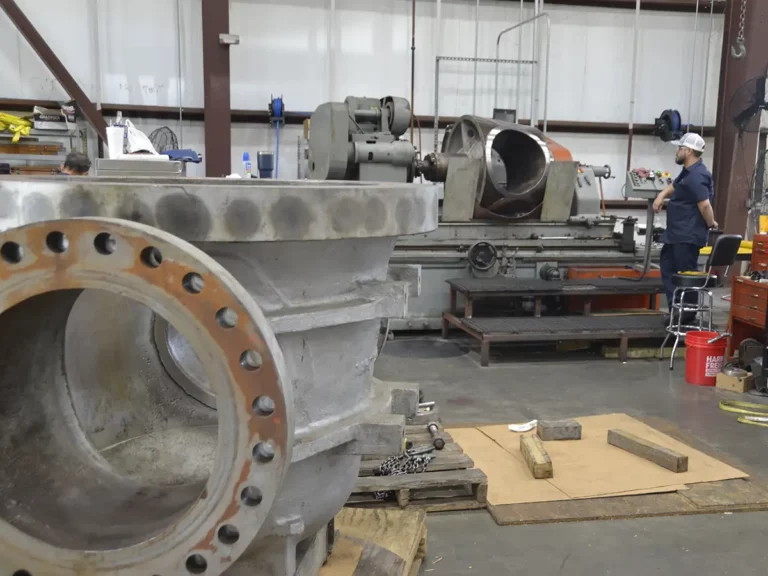
Heavy Component Capabilities
Weight and Size Capacity
Maximum Weight:- 40,000 lbs (vertical grinder capacity)
- 10,000 lbs (surface grinder capacity)
- Specialized rigging for components exceeding equipment capacity
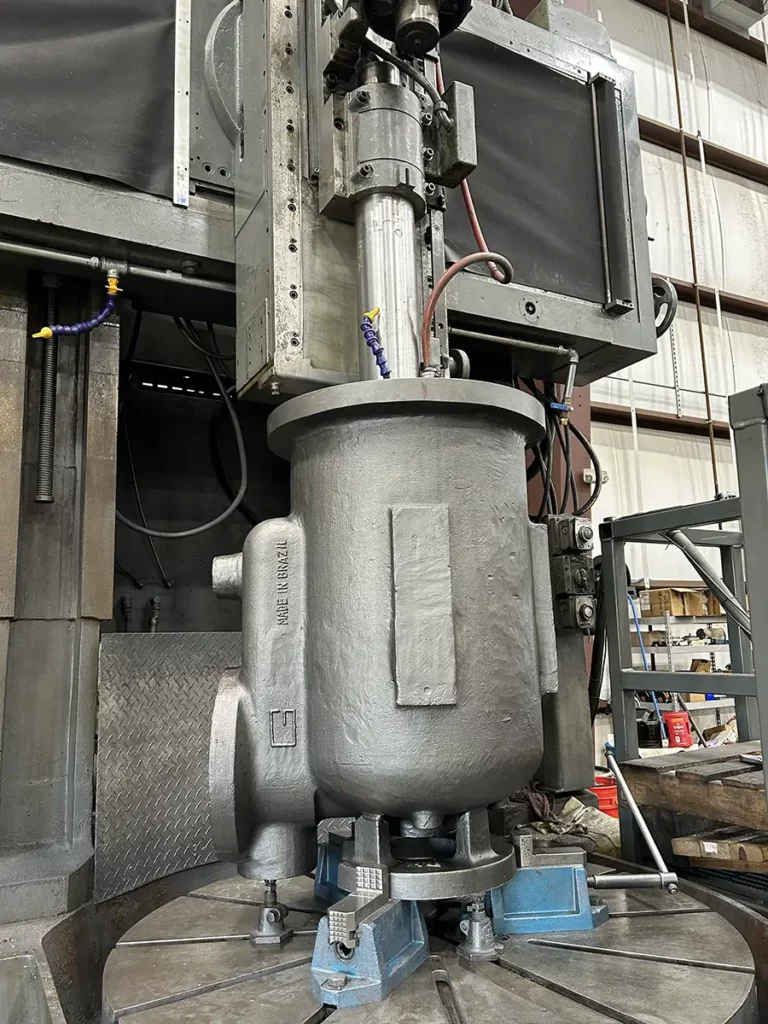
- Vertical grinding: 72″ diameter x 60″ height
- Surface grinding: 60″ x 120″ table size
- Custom solutions for exceptional sizes
Precision Despite Size
Large components still require precision:- Diameter Tolerance: ±0.001″ to ±0.002″ (even on 72″ diameter)
- Flatness: ±0.0005″ to ±0.001″ (across large surfaces)
- Surface Finish: 16 to 32 Ra (standard for heavy components)
- Cylindricity: ±0.0005″ to ±0.001″
Material Handling Infrastructure
Overhead Crane Systems
Main Bay Crane:
- Capacity: 10 tons (20,000 lbs)
- Full facility coverage
- Precision positioning capability
- Trained, certified operators
Inspection Area Crane:
- Capacity: 5 tons (10,000 lbs)
- Dedicated to inspection and measurement
- Reduced handling for quality control
Jib Cranes:
- Multiple 2-ton capacity jib cranes
- Strategic positioning throughout the facility
- Support for component setup and manipulation
Rigging Equipment
Specialized Rigging:
- Heavy-duty slings and shackles (rated to 40 tons)
- Spreader bars for wide components
- Custom rigging for unusual geometries
- Safety chains and backup systems
Loading Equipment:
- 10,000 lb capacity rough-terrain forklift
- 5,000 lb capacity warehouse forklift
- Loading ramps and platforms
- Specialized transport dollies
Safety Systems
All heavy component handling includes:
- Pre-lift safety inspections
- Load weight verification
- Rigging plan documentation
- Operator certification verification
- Spotter communication protocols
- Emergency procedures
Common Heavy Component Applications
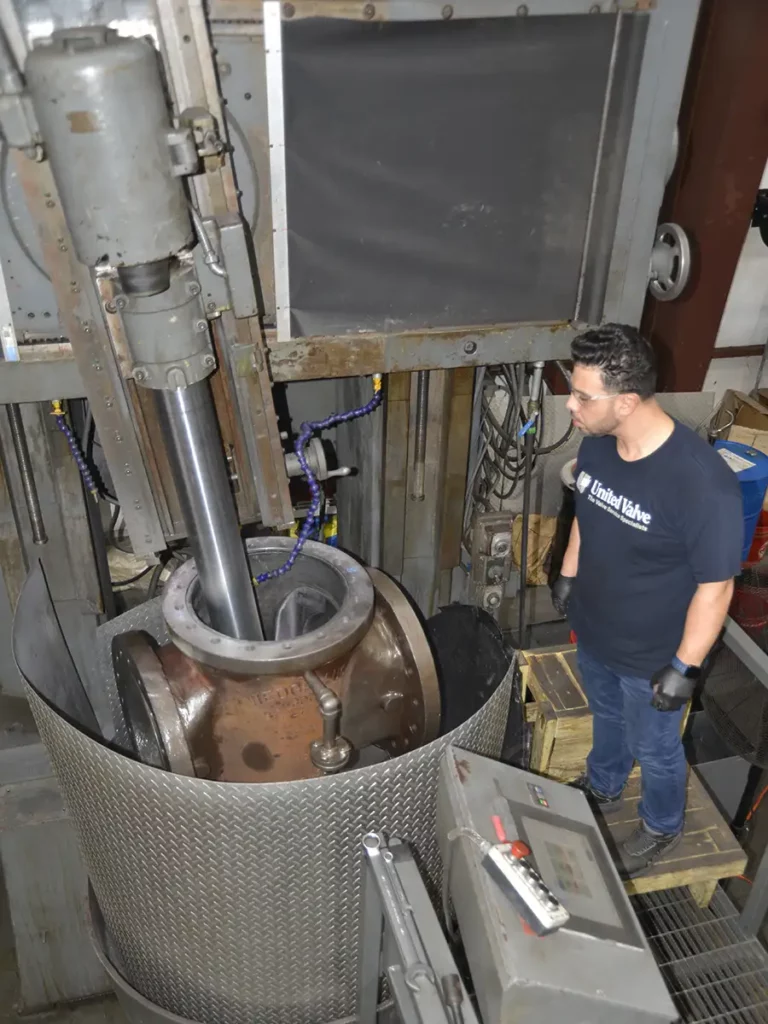
Large Valve Bodies
Gate Valves:
- 24″ through 72″ diameter
- Weights from 5,000 to 35,000 lbs
- Body bore grinding
- Flange face grinding
- Seat pocket grinding
Ball Valves:
- Large diameter ball valves
- Body bore and seat grinding
- Trunnion mounting surface grinding
Butterfly Valves:
- Large disc face grinding
- Body bore grinding
- Heavy disc components
Pressure Vessel Components
Flanges:
- Large diameter pressure vessel flanges
- ASME code flange grinding
- Gasket surface preparation
- RTJ groove grinding (when required)
Nozzles and Headers:
- Pressure vessel nozzle flanges
- Header end grinding
- Critical sealing surfaces
Vessel Internals:
- Tray support rings
- Internal structural components
- Wear plates and liners
Oil & Gas Equipment
Wellhead Equipment:
- Christmas tree components
- Casing heads and hangers
- Tubing heads
- BOP (blowout preventer) components
Pipeline Components:
- Large diameter valve bodies
- Pig launcher/receiver components
- Manifold blocks
- Specialty fittings and adapters
Production Equipment:
- Pump housings and casings
- Compressor components
- Separator vessel components
- Flow measurement equipment
Industrial Manufacturing Equipment
Steel Mill Components:
- Rolling mill parts
- Continuous caster components
- Heavy structural elements
Marine Components:
- Propeller shaft components
- Rudder stock grinding
- Deck equipment parts
- Ship machinery components
Power Generation:
- Turbine housings
- Generator components
- Steam system components
- Cooling system parts
Challenges of Heavy Component Grinding
Thermal Management
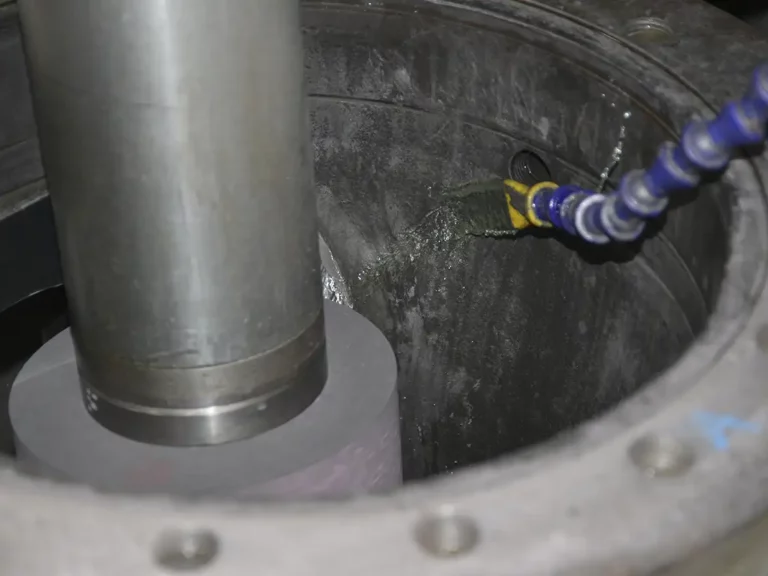
Challenge: Large masses of metal retain heat during grinding, causing thermal expansion that affects dimensional accuracy.
Our Solutions:
- Climate-controlled grinding environment (68°F ±2°F)
- Flood coolant systems for heat removal
- Grinding parameter optimization to minimize heat input
- Thermal stabilization periods during process
- Measurement at controlled temperatures
Workholding and Setup
Challenge: Heavy components require robust workholding that resists grinding forces while providing access to surfaces being ground.
Our Solutions:
- Large capacity magnetic chucks (surface grinding)
- Custom fixtures and support structures
- Precision leveling and alignment systems
- Redundant clamping for safety
- Setup verification with precision instruments
Deflection Control
Challenge: Heavy components can deflect under their own weight, affecting dimensional accuracy.
Our Solutions:
- Proper support during grinding
- Measurement in grinding position
- Compensation for expected deflection
- Multiple support points when necessary
- Verification measurements
Measurement Complexity
Challenge: Measuring large, heavy components requires specialized techniques and equipment.
Our Solutions:
- Large capacity CMM (coordinate measuring machine)
- Portable measurement tools
- Multiple measurement locations
- Statistical analysis of dimensional data
- Documentation of measurement positions
Heavy Component Grinding Process
1. Pre-Arrival Planning
Before heavy components arrive:
- Review drawings and specifications
- Plan material handling approach
- Identify required rigging equipment
- Develop grinding process plan
- Schedule crane availability
2. Receiving and Inspection
Safe Unloading:
- Crane and rigging setup
- Weight verification
- Controlled lifting and positioning
- Transport to inspection area
Incoming Inspection:
- Visual inspection for damage
- Dimensional baseline measurements
- Material verification
- Documentation of existing conditions
- Photography
3. Setup and Workholding
Component Positioning:
- Transport to the grinding machine
- Precision leveling and alignment
- Secure workholding installation
- Set up verification measurements
- Safety checks
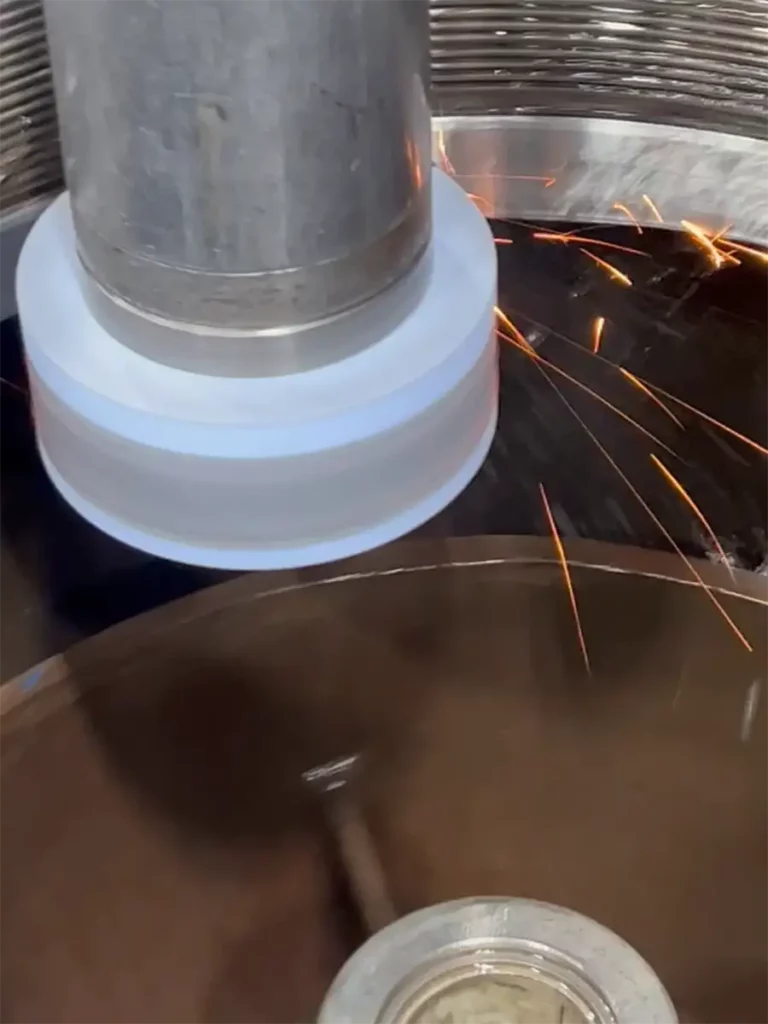
4. Grinding Operations
Roughing:
- Bulk material removal
- Thermal management
- In-process dimensional checks
- Verify setup remains accurate
Finishing:
- Achieve final dimensions
- Meet surface finish requirements
- Control flatness, cylindricity, or other geometric requirements
- Minimize thermal effects
5. Inspection and Documentation
Dimensional Inspection:
- Comprehensive measurement of critical features
- Surface finish verification
- Geometric tolerance verification
- Photography of completed work
Documentation:
- Inspection reports with actual measurements
- Surface finish data
- Certifications (when applicable)
- Digital photos
6. Packaging and Shipping
Protection:
- Rust preventative application
- Protective wrapping of ground surfaces
- Custom crating for large components
- Shock and vibration protection
Shipping Coordination:
- Rigging for loading
- Specialized freight arrangements
- Shipping documentation
- Customer delivery coordination
Why Choose United Precision Grinding for Heavy Components
Specialized Equipment
We’ve invested specifically in equipment for heavy component grinding:
- 72-inch vertical grinder (40,000 lb capacity)
- 60″ x 120″ surface grinder (10,000 lb capacity)
- 10-ton overhead crane
- Extended-bed cylindrical grinders
- Large capacity inspection equipment
Experience with Large Components
Our team has extensive experience handling heavy industrial components:
- Decades of combined heavy grinding experience
- Understanding of thermal management
- Knowledge of deflection compensation
- Expertise in large component measurement
- Safety-focused handling procedures
Gulf Coast Location
Strategic positioning for Gulf Coast industries:
- Near valve manufacturers requiring large body grinding
- Access to oil & gas facilities with heavy equipment
- Proximity to pressure vessel fabricators
- Marine and offshore equipment support
- Industrial manufacturing centers
Complete Infrastructure
Everything needed for heavy component success:
- Overhead cranes and rigging equipment
- Climate-controlled grinding environment
- Large capacity measurement equipment
- Trained, certified operators
- Safety systems and procedures
Engineering Support
Technical expertise for challenging projects:
- Process planning for large components
- Tolerance analysis considering size and weight
- Material selection guidance
- Thermal management strategies
- Measurement approach development
Heavy Component Grinding FAQs
What's the heaviest component you've ground?
We’ve successfully ground components up to 40,000 lbs on our 72-inch vertical grinder, and up to 10,000 lbs on our large surface grinder.
How do you handle components that exceed your crane capacity?
For exceptionally heavy components, we coordinate with specialized rigging companies and can use multiple lifting points or external crane services.
Can you achieve the same tolerances on large components as small ones?
While large components present additional challenges, we routinely achieve tolerances of ±0.001″ to ±0.002″ on heavy parts through proper thermal management, workholding, and measurement techniques.
How long does it take to grind a large component?
Timeline depends on size, complexity, and material removal required. Typical large valve body grinding requires 1-2 weeks. We can expedite for urgent needs.
Do you provide shipping for heavy components?
We coordinate with specialized freight companies experienced in heavy industrial components. We can arrange pickup and delivery as part of our service.
How do you prevent damage during handling?
We use certified rigging equipment, trained operators, documented lifting plans, and protective materials. Safety and component protection are our top priorities.